
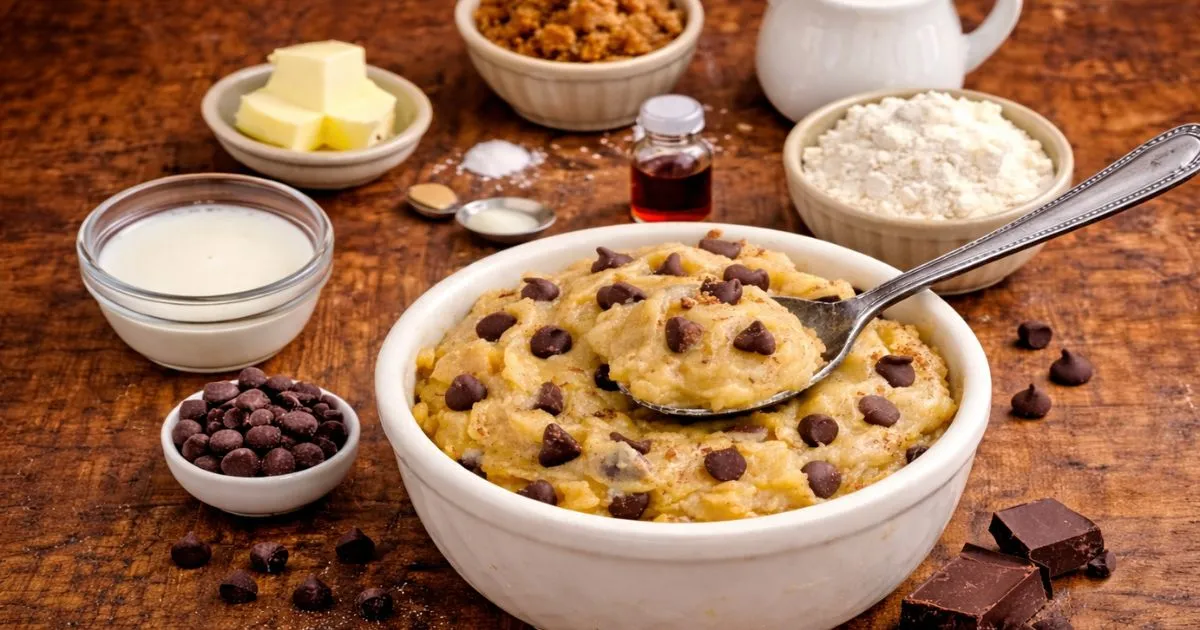
Edible cookie dough recipe for one : best recipes in 2026
Table of Contents
Enjoy the sweet treat of edible cookie dough without baking. This easy-to-make snack is great for when you’re alone. It’s safe to eat, thanks to ingredients that avoid raw cookie dough risks.
Enjoy this delicious cookie dough as a snack or dessert, made just for you. It’s fast to make and doesn’t need baking. This makes it perfect for any time.
Key Takeaways
- Safe to eat, edible cookie dough recipe
- Designed for one person, minimizing waste
- No baking required, making it a quick treat
- Easy to make with simple ingredients
- Perfect for satisfying cookie cravings
The Appeal of Edible Cookie Dough
Edible cookie dough is a favorite treat for many. It brings back childhood memories with a safe twist. Enjoying cookie dough is more than just the taste; it’s about the memories and feelings it brings.
Why We Love Raw sweet Dough
Raw cookie dough has a special appeal that baked cookies can’t match. Its texture and flavor, with butter, sugar, and chocolate chips, are hard to resist. As Christine M. Anderson, a food scientist, notes, “The psychological appeal of raw dough is partly due to its association with positive memories of baking with family and friends.”
The Safety Concerns with Traditional Raw Dough
Traditional raw cookie dough can be risky. It contains raw eggs and flour, which can be contaminated. Raw eggs may have Salmonella, and raw flour may have E. coli. These can cause serious illnesses. The Centers for Disease Control and Prevention (CDC) has reported outbreaks of Salmonella from raw eggs and E. coli from raw flour.
Benefits of Making Single-Serving Portions
Making single-serving portions of edible cookie dough has many benefits. It lets you customize flavors, reduces waste, and is a convenient way to enjoy cookie dough. As
“The best way to enjoy cookie dough is in moderation, and making single servings helps achieve that,”
suggests a practical way to indulge in this treat.
Understanding the appeal of edible cookie dough and addressing safety concerns lets us enjoy it safely. Making single servings adds flexibility and control to our indulgence.
What Makes dessert Dough Safe to Eat
Edible cookie dough recipes focus on safety. They address the dangers of raw flour and eggs. These ingredients can carry harmful bacteria like Salmonella and E. coli.
The Risks of Raw Flour and Eggs
Raw flour can have E. coli, a bacteria that causes severe food poisoning. Raw eggs may have Salmonella, another dangerous bacterium. Knowing these risks is key to making safe cookie dough.
How to Heat-Treat Flour Safely
Heat-treating flour kills bacteria, making it safe to eat. To do this, spread flour on a baking sheet. Then, bake it in a preheated oven at 350°F (175°C) for 5 minutes. This step is vital for safe cookie dough.
Egg Substitutes for Edible Dough
Since raw eggs are risky, egg substitutes are a safer choice. There are many options, including liquid substitutes and binding agents.
Liquid Substitutes
Liquid egg substitutes or applesauce add moisture to cookie dough. They make the dough safer and improve its texture.
Binding Agents
Binding agents like mashed banana or silken tofu keep the dough together. They replace the role of eggs. These ingredients make your edible cookie dough safe and tasty.
By understanding the dangers of raw flour and eggs, you can enjoy safe cookie dough. Making these simple changes lets you savor this treat while staying healthy and safe.
Essential Ingredients for Single-Serving Cookie mixture
Creating a great single-serving cookie dough starts with the ingredients. It’s crucial to know what you need and how to adjust for one serving.
Base Ingredients List
Edible cookie dough needs heat-treated flour, sugar or honey, and butter or a substitute. Add vanilla extract for flavor and a pinch of salt to enhance taste.
- Heat-treated flour
- Sugar or honey
- Butter or butter substitute
- Vanilla extract
- Salt
Ingredient Substitutions
You can swap out ingredients for dietary needs or preferences. Try almond flour or coconut flour for gluten-free options, or vegan butter for dairy-free. “Customizing your cookie dough is endless,” says a famous pastry chef.
Measuring for One Portion
For a single serving, measure ingredients carefully. Use 1-2 tablespoons of butter, 1-2 tablespoons of sugar, and 1/4 cup of flour. Adjust to your liking for taste and texture.
Quality Considerations for Best Flavor
High-quality ingredients make a big difference in flavor. Use real butter and pure vanilla extract for the best taste. Adding premium chocolate chips or high-quality nuts will also improve your cookie dough.
By choosing the right ingredients and measuring them correctly, you can make a tasty and safe single-serving cookie dough. It will satisfy your sweet tooth.
Equipment Needed for Your Edible cookie mixture
Making edible cookie dough is easy with the right tools. You’ll need basic kitchen items that you probably already have.
Basic Kitchen Tools
You’ll need a mixing bowl, a sturdy spoon or spatula, and measuring cups. A digital scale is also helpful for accurate measurements.
- A large mixing bowl to combine ingredients
- A spoon or spatula for mixing
- Measuring cups for dry and liquid ingredients
- A digital scale for precise measurements
Optional Equipment for Variations
Some optional tools can make your edible cookie dough even better. A food processor can finely chop nuts. A mixer can cream butter and sugar easily.
“Using a mixer can significantly reduce the effort needed to cream together butter and sugar, resulting in a smoother dough.”
— Kitchen Expert
Microwave vs. Oven for Flour Treatment
Heat-treating flour is key to making safe edible cookie dough. You can use a microwave or an oven. Here’s a comparison:
| Method | Time | Pros | Cons |
|---|---|---|---|
| Microwave | 30-45 seconds | Quick, easy | Risk of uneven heating |
| Oven | 5 minutes | Even heating | Longer time, preheating required |
Both methods work well. Choose the one that suits you best.
Step-by-Step Edible Cookie mixture Recipe
Creating a tasty and safe edible cookie dough is easy with this guide. It’s a simple process that includes getting your ingredients ready, heat-treating the flour, mixing the dough, adding your favorite mix-ins, and getting the right consistency.
Preparing Your Ingredients
To start making edible cookie dough, get your ingredients ready. You’ll need to measure out flour, sugar, butter, and any other ingredients your recipe asks for. For a single serving, you’ll need about 1-2 tablespoons of butter, 1-2 tablespoons of sugar, and 1/4 cup of flour. Using high-quality ingredients will make your dough taste better.
Heat-Treating the Flour
Heat-treating the flour is key to making the dough safe to eat. Raw flour can have bacteria like E. coli. To kill these bacteria, heat the flour to 165°F (74°C). You can do this by microwaving it in 10-second increments, stirring between each heating, or by baking it in the oven at 350°F (175°C) for 5 minutes, stirring every minute.
| Method | Temperature | Time |
|---|---|---|
| Microwave | 165°F (74°C) | 10-second increments |
| Oven | 350°F (175°C) | 5 minutes |
Mixing the Dough
Now that your ingredients are ready and your flour is heat-treated, it’s time to mix the dough. In a medium bowl, cream the butter and sugar until they’re light and fluffy. Then, add the flour and mix until a dough forms. You can use a stand mixer or a handheld electric mixer to make it easier.
Adding Mix-ins
Adding your favorite mix-ins is the best part of making edible cookie dough. This could be chocolate chips, nuts, sprinkles, or anything else you like. Gently fold your mix-ins into the dough to spread them out evenly.
Achieving the Perfect Consistency
The last step is to get the dough to the perfect consistency. If it’s too dry, add a little milk or cream. If it’s too wet, add a bit more flour. The dough should be smooth and pliable, perfect for eating or using in other recipes.
By following these steps, you can make a delicious and safe edible cookie dough. Feel free to try different mix-ins and flavors to make your dough unique.
Classic Cookies Recipes Transformed into Edible Dough
Classic cookie recipes become even more delicious as edible dough. This way, you can enjoy your favorite flavors without baking. You can try different flavors, like chocolate chip or sugar cookie dough.
Chocolate Chip dessert Dough
Chocolate chip cookie dough is a great place to start. You’ll need flour, butter, sugar, brown sugar, vanilla, and chocolate chips. Cream the butter and sugars, then mix in the dry ingredients and chocolate chips. The result is a rich, chocolatey dough that’s hard to resist.
Sugar Cookie Dough
Sugar cookie dough is another favorite. Use a simple sugar cookie recipe without eggs to make it. Add sprinkles or colored sugar for fun. This dough is perfect for decorating or just enjoying as is.
| Cookie Dough Type | Main Ingredients | Special Add-ins |
|---|---|---|
| Chocolate Chip | Flour, Butter, Sugar, Brown Sugar | Semi-sweet Chocolate Chips |
| Sugar Cookie | Flour, Butter, Sugar, Vanilla Extract | Sprinkles or Colored Sugar |
| Peanut Butter | Flour, Peanut Butter, Sugar, Butter | Peanut Butter Chips |
| Oatmeal Raisin | Flour, Oats, Butter, Sugar, Brown Sugar | Raisins, Cinnamon |
Peanut Butter dessert Dough
Peanut butter lovers will love this dough. It’s creamy and rich, with peanut butter chips or chopped peanuts. This dough is both nutty and sweet, making it a hit with many.
Oatmeal Raisin sweet Dough
Oatmeal raisin cookie dough is a tasty alternative. It has hearty oats and sweet raisins. Heat-treating the flour and using rolled oats makes it safe to eat. Adding cinnamon can make it even better.
“The combination of oats and raisins in edible cookie dough is a game-changer for those looking for a slightly healthier cookie option.”
These classic cookie recipes turned into edible dough offer a variety of flavors. Whether you prefer something chocolatey, sweet, nutty, or hearty, there’s a dough for everyone.
Creative Flavor Variations
Try new things with your edible cookie dough. You can mix different ingredients to make unique and tasty flavors. These can be more than just the usual recipes.
Funfetti Cookie mixture
Make your cookie dough fun with funfetti. Just add sprinkles or nonpareils for a colorful treat. You can pick your favorite sprinkles to match any event.
Double Chocolate sweet Dough
Chocolate fans will love double chocolate cookie dough. Add cocoa powder or melted chocolate for an extra chocolate kick. It’s perfect for chocolate lovers.
Snickerdoodle unbaked Dough
Snickerdoodle cookie dough has a special cinnamon-sugar taste. Add cinnamon to the dough and roll it in cinnamon-sugar before serving. It’s sweet and spicy.
Seasonal Flavor Inspirations
Make cookie dough that matches the season. Try pumpkin spice for fall or peppermint for the holidays. It’s a fun way to enjoy the flavors of the time.
Fall Spice Variations
For fall, mix in pumpkin puree, cinnamon, and nutmeg. You can also use apple cider or maple syrup for a unique taste.
Holiday-Inspired Options
In the holiday season, try peppermint, gingerbread, or eggnog cookie dough. These flavors are great for parties or as gifts.
| Flavor Variation | Key Ingredients | Seasonal Inspiration |
|---|---|---|
| Funfetti | Sprinkles, nonpareils | Any occasion |
| Double Chocolate | Cocoa powder, melted chocolate | Chocolate lovers |
| Snickerdoodle | Cinnamon, sugar | Classic flavor |
| Fall Spice | Pumpkin puree, cinnamon, nutmeg | Fall season |
| Holiday Peppermint | Peppermint extract, chocolate chips | Holiday season |
Healthier Edible Cookie Dough Options
With a few simple tweaks, you can make edible cookie dough that’s both healthy and indulgent. This means choosing the right ingredients. You can enjoy your favorite treat while meeting different dietary needs and preferences.
Lower Sugar Alternatives
To reduce sugar in your cookie dough, try using honey or maple syrup. Or, you can use sugar substitutes. These options lower sugar content and add unique flavors.
Gluten-Free Edible Cookie mixture
For those with gluten intolerance or sensitivity, gluten-free flours are a good choice. Almond flour, coconut flour, and rice flour work well. Just remember, you might need to adjust liquid content and add extra ingredients for the right texture.
Vegan Edible sweet Dough
To make vegan cookie dough, replace eggs with flaxseed or chia seeds mixed with water. Use plant-based milk instead of regular milk. Vegan butter or coconut oil can replace traditional butter, keeping the dough creamy and rich.
Protein-Packed dessert Dough
Adding protein powder or nut butters can increase the protein in your cookie dough. This makes it a more satisfying snack. It’s great for those who want to support their fitness goals or dietary needs.
Grain-Free Options
Grain-free cookie dough uses nut flours, coconut flour, or fruit purees as bases. It’s perfect for those with grain sensitivities or preferences.
| Healthier Option | Key Ingredients | Benefits |
|---|---|---|
| Lower Sugar | Honey, Maple Syrup, Sugar Substitutes | Reduces sugar content, adds unique flavors |
| Gluten-Free | Almond Flour, Coconut Flour, Rice Flour | Suitable for gluten intolerance, offers texture variations |
| Vegan | Flaxseed, Chia Seeds, Plant-Based Milk | Cater to vegan dietary preferences, rich and creamy texture |
| Protein-Packed | Protein Powder, Nut Butters | Increases satiety, supports fitness goals |
| Grain-Free | Nut Flours, Coconut Flour, Fruit Purees | Ideal for grain sensitivities, diverse flavor profiles |
Storing and Troubleshooting Your dessert Dough
To enjoy your edible cookie dough over time, it’s key to know how to store it right. Proper storage keeps the dough fresh and safe to eat.
Refrigeration Guidelines
Keep your cookie dough in an airtight container in the fridge. This stops it from drying out or picking up smells from other foods. Cookie dough stays good in the fridge for 3 to 5 days.
Freezing for Later
Freezing is great for longer storage. Scoop the dough into balls, freeze them on a baking sheet, and then bag them up. Frozen dough lasts months. Just thaw what you need in the fridge or at room temperature.
Common Problems and Solutions
Even with the best care, cookie dough can sometimes go wrong. Here are fixes for common problems:
- Too Dry or Too Wet: Add a bit of liquid (like milk or cream) for dry dough. For wet dough, a little more flour helps.
- Grainy Texture Issues: Grainy texture comes from bad sugar or not mixing butter and sugar enough. Use good sugar and mix well to avoid this.
Too Dry or Too Wet
Fixing dough consistency is easy. For dry dough, add liquid slowly. For wet dough, add flour a little at a time.
Grainy Texture Issues
Grainy texture often means sugar wasn’t mixed in well or the wrong sugar was used. Use powdered sugar or mix granulated sugar well to fix it.
Reviving Stored Cookie mixture
If your cookie dough is too hard or lost flavor, you can fix it. Let it sit at room temperature to soften. For dry dough, a bit of liquid can help. Thawing frozen dough properly brings back its original texture.
Conclusion: Satisfying Your sweet Dough Cravings Safely
Now you know how to make safe edible cookie dough at home. This way, you can enjoy your favorite cookies without the risks of raw dough. Just use safe recipes and heat-treat your flour.
There are many creative flavors and healthier options to try. You can make classic chocolate chip or funfetti. The joy of cookie dough is now safe and fun for everyone.
Follow the guidelines and recipes to enjoy edible cookie dough safely. Get creative and make delicious homemade cookies and dough. It’s time to have fun!
FAQ
What is edible dessert dough?
Edible cookie dough is a safe-to-eat version of cookie dough. It’s made without raw eggs and uses heat-treated flour. This makes it safe from salmonella and E. coli.
How do I heat-treat flour for edible unbaked dough?
To heat-treat flour, spread it on a baking sheet. Bake it at 350°F (175°C) for 5-10 minutes. Or, microwave it in short intervals, stirring between each, until it hits 165°F (74°C).
What can I use as a substitute for eggs in edible cookie mixture?
You can use applesauce, mashed banana, silken tofu, or commercial egg replacers. These help bind the ingredients together in edible cookie dough.
How long can I store edible cookie mixture?
You can store edible cookie dough in the fridge for 3-5 days or freeze it for 2 months. Always keep it in an airtight container to stay fresh.
Can I customize the flavor of my edible cookie dough?
Yes, you can add different mix-ins like nuts, chocolate chips, or candy pieces. You can also use various extracts, like vanilla or almond, to create unique flavors.
Is edible cookie dough healthy?
Edible cookie dough can be made healthier with lower sugar and gluten-free flours. But, it’s still a treat. Enjoy it in moderation as part of a balanced diet.
Can I make edible cookie dough in large batches?
Yes, you can make it in larger batches. But, it’s best to divide it into single servings. This keeps it fresh and convenient.
What are some common issues with edible cookie dough and how can I troubleshoot them?
Issues like dry or wet dough and grainy texture can happen. To fix it, adjust the liquid, check the ingredient ratio, or reheat the flour. This ensures it’s properly heat-treated.