
Cookie dough cookies recipe : the best recipes in 2026
There’s something about cookie dough that feels personal. Maybe it reminds you of childhood baking sessions, sneaking a spoonful when no one was looking. Maybe it’s the rich scent of vanilla and brown sugar that instantly makes your kitchen feel warmer. Whatever the reason, that soft, creamy texture is hard to beat.
Now imagine turning that exact flavor into a warm, perfectly baked cookie. That’s what this cookie dough cookies recipe gives you — cookies that taste like dough but are fully baked, safe, and unbelievably soft.
If you’ve ever struggled with flat cookies, dry texture, or inconsistent results, this guide will walk you through everything you need to know. By the time you finish reading, you’ll understand not just the steps, but the why behind them.
Table of Contents
What Are Cookie Dough Cookies?
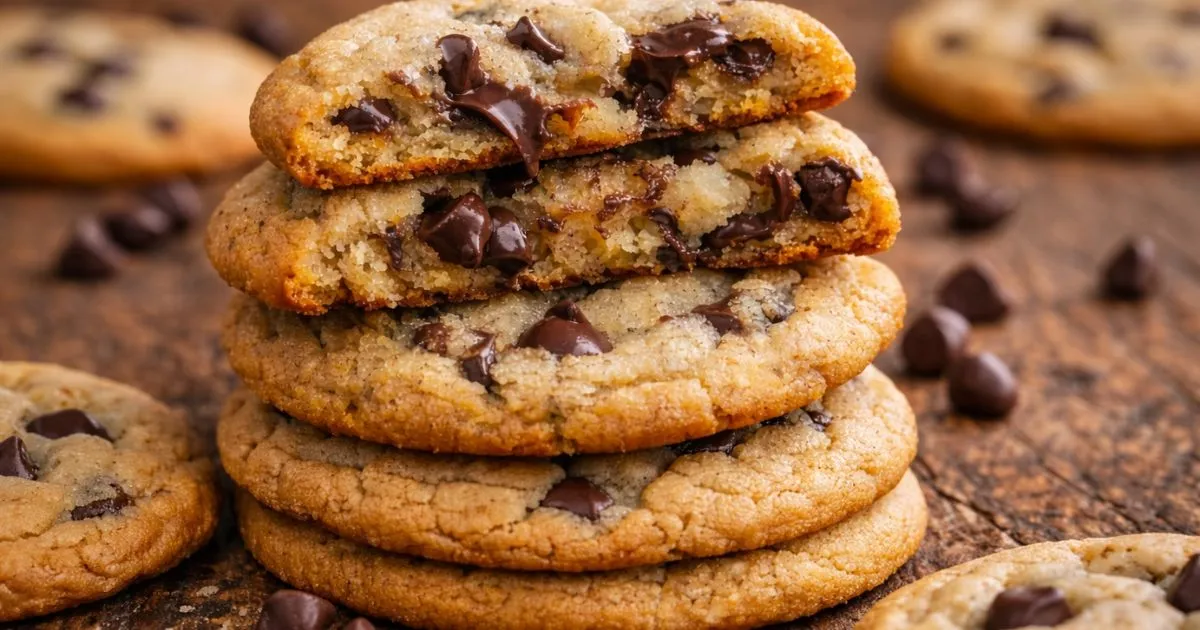
Cookie dough cookies are designed to capture the rich, buttery flavor of raw cookie dough in a baked form. Unlike traditional chocolate chip cookies that aim for even baking and crisp edges, these cookies focus on maintaining a soft center that feels almost underbaked — without actually being raw.
When you bite into one, you should notice:
- A tender, slightly gooey center
- Lightly golden edges
- A strong brown sugar flavor
- Melted chocolate throughout
The magic lies in controlled baking and ingredient balance.
Cookie Dough Cookies vs. Classic Chocolate Chip Cookies
| Classic Chocolate Chip Cookies | Cookie Dough Cookies |
|---|---|
| Even texture throughout | Soft, dough-like center |
| Balanced crisp and chew | Extra tender interior |
| Lighter sweetness | Richer brown sugar taste |
| Firm structure | Slightly delicate crumb |
The difference might seem subtle, but when you taste them side by side, you’ll immediately understand.
Ingredients for the Best Cookie Dough Cookies Recipe
Every ingredient plays a specific role in achieving that signature texture. If you change proportions without understanding their function, the result changes dramatically.
Essential Ingredients

| Ingredient | Quantity | Why You Need It |
|---|---|---|
| All-purpose flour | 2 ¼ cups | Builds structure |
| Unsalted butter (softened) | 1 cup | Creates richness |
| Brown sugar | ¾ cup | Adds moisture & chew |
| Granulated sugar | ½ cup | Provides sweetness |
| Eggs | 2 large | Binds ingredients |
| Vanilla extract | 2 tsp | Boosts flavor |
| Baking soda | 1 tsp | Gentle lift |
| Salt | ½ tsp | Balances sweetness |
| Chocolate chips | 1 ½ cups | Texture & indulgence |
Why Brown Sugar Is the Star
If you want truly soft cookie dough cookies, brown sugar is essential. The molasses content retains moisture and deepens flavor. Using more brown sugar than white sugar is one of the key adjustments that makes this recipe stand out.
Step-by-Step Cookie Dough Cookies Recipe
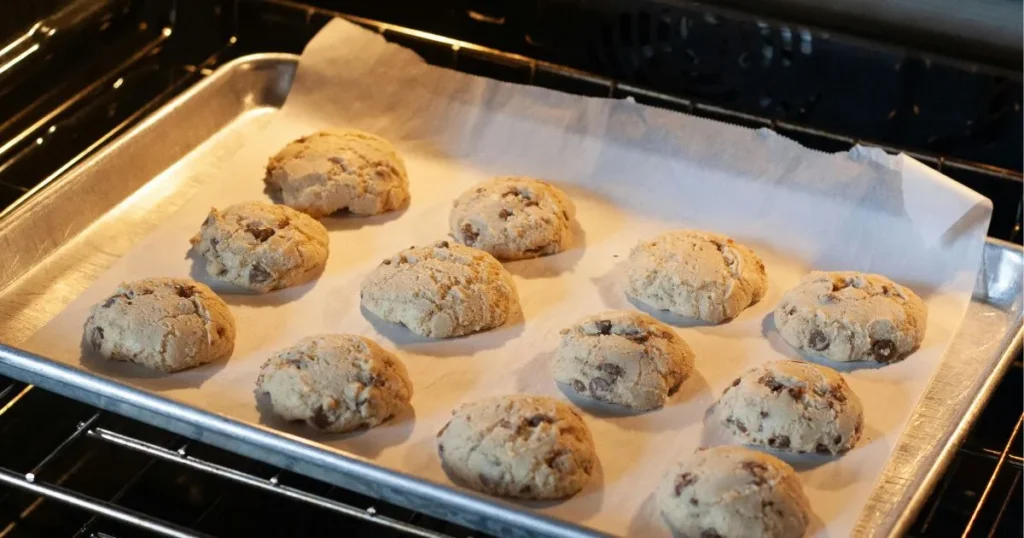
Follow these steps carefully to ensure consistent results.
1. Cream Butter and Sugars
Beat softened butter with both sugars for about 2–3 minutes. The mixture should look pale and slightly fluffy.
Why this matters:
- Incorporates air
- Creates lighter texture
- Prevents dense cookies
2. Add Eggs and Vanilla
Mix eggs one at a time, then add vanilla. Stop mixing once combined.
3. Mix Dry Ingredients Separately
Whisk flour, baking soda, and salt in another bowl. This prevents uneven distribution.
4. Combine Gently
Add dry ingredients gradually. Mix just until flour disappears. Overmixing develops gluten, which makes cookies tough.
5. Fold in Chocolate Chips
Stir gently so chips distribute evenly without breaking.
6. Chill the Dough
Refrigerate for at least 30–60 minutes.
Chilling helps:
- Prevent spreading
- Intensify flavor
- Improve overall texture
7. Bake with Precision
- Preheat oven to 350°F (175°C).
- Scoop dough onto parchment-lined baking sheet.
- Bake for 10–12 minutes.
Remove cookies when edges are set but centers still look slightly soft.
Let them rest on the baking tray for five minutes before transferring.
Expert Tips for Soft Cookie Dough Cookies
If you want bakery-quality results, pay attention to these details.
Slightly Underbake
The cookies continue cooking from residual heat after leaving the oven. Removing them early ensures a soft center.
Measure Flour Properly
Use the spoon-and-level method. Packing flour into the measuring cup adds too much, resulting in dry cookies.
Use Room-Temperature Ingredients
Cold ingredients don’t blend properly. Overly warm butter causes excessive spreading.
Try Browned Butter
If you want a deeper flavor profile, brown the butter before mixing. Let it cool slightly before using.
Variations of Cookie Dough Cookies
One of the reasons this homemade cookie dough cookies recipe is so popular is its flexibility.
Edible Cookie Dough Stuffed Cookies
For an indulgent twist:
- Prepare egg-free edible cookie dough.
- Freeze small balls of filling.
- Wrap main dough around filling.
- Bake normally.
You’ll get a molten, dough-like center.
Gluten-Free Version
Use a 1:1 gluten-free flour blend that contains xanthan gum. Keep measurements precise for best texture.
Vegan Cookie Dough Cookies
Replace:
- Butter with plant-based butter.
- Eggs with flax eggs (1 tablespoon flax + 3 tablespoons water per egg).
High-Protein Option
Add one scoop vanilla protein powder and slightly reduce flour to maintain balance.
Common Mistakes to Avoid
Even experienced bakers run into issues. Here’s how you prevent them.
Skipping Chill Time
Warm dough spreads too quickly, leading to thin cookies.
Using Melted Butter
Melted butter changes texture entirely and makes cookies flat.
Overbaking
If you wait until cookies look fully set in the oven, they’ll be too firm after cooling.
Overmixing
Too much mixing after adding flour develops gluten and reduces tenderness.
Storage and Freezing Guide
You can make your cookie dough cookies last longer with proper storage.
Storing Baked Cookies
- Keep in airtight container.
- Store at room temperature.
- Lasts up to 5 days.
Placing a slice of bread in the container helps maintain moisture.
Freezing Cookie Dough
- Scoop dough balls.
- Freeze on baking tray.
- Transfer to freezer bag.
- Bake from frozen (add 1–2 minutes).
Freezing also enhances flavor development over time.
Nutritional Overview (Per Cookie Estimate)
| Nutrient | Approximate Amount |
|---|---|
| Calories | 210 |
| Carbohydrates | 26g |
| Fat | 11g |
| Protein | 2g |
| Sugar | 18g |
Values vary depending on portion size and ingredients used.
Frequently Asked Questions About Cookie Dough Cookies
What makes cookie dough cookies different from regular cookies?
They are baked to maintain a soft, dough-like center while still being fully cooked and safe to eat.
Can you eat raw dough from this cookie dough cookies recipe?
No. Unless flour is heat-treated and eggs are removed, traditional dough should not be eaten raw.
Why are my cookie dough cookies flat?
Possible causes:
- Butter too warm
- No chilling time
- Too little flour
- Overcrowded baking sheet
How do you make soft cookie dough cookies every time?
- Use more brown sugar than white sugar.
- Chill the dough.
- Slightly underbake.
- Store properly in an airtight container.
Why This Cookie Dough Cookies Recipe Works
This recipe balances fat, sugar, flour, and baking time carefully. The higher brown sugar ratio keeps moisture locked in. Controlled baking prevents dryness. Chilling ensures proper shape and texture.
When these elements come together, you get cookies that taste like your favorite spoonful of dough — but with structure and safety.
Ready to Bake?
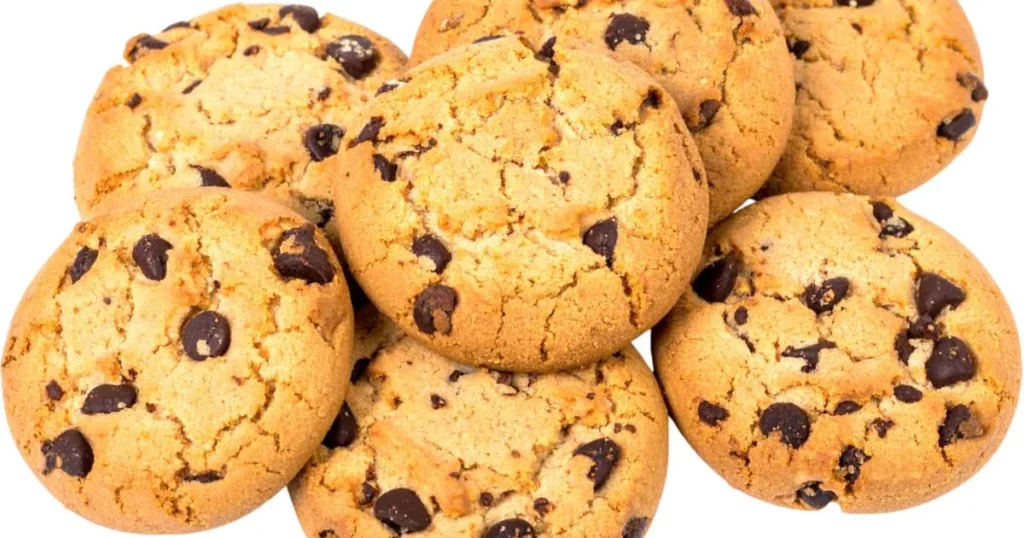
Now you have the complete method, ingredient breakdown, and expert techniques to master cookie dough cookies at home.
Don’t just bookmark this recipe — try it.
Preheat your oven. Mix your dough. Bake one test cookie first and adjust if needed. Once you see that soft center and taste that rich, buttery flavor, you’ll understand why this cookie dough cookies recipe stands out.
If you make them, share your results. Add your own twist. Leave a comment with your experience. Baking is better when you pass it on.
Your perfect batch is waiting. 🍪